

Introduction
Syphilis, a sexually transmitted infection (STI), has been a significant public health concern for many years. To combat its spread, it is crucial to understand the importance of screening for syphilis TP-Ab (Treponema Pallidum Antibodies) and how it can effectively break the chain of transmission. In this article, we will delve into the world of syphilis, explore the benefits of TP-Ab screening, and shed light on its role in preventing the further spread of this infection.
What is Syphilis?
Understanding Syphilis
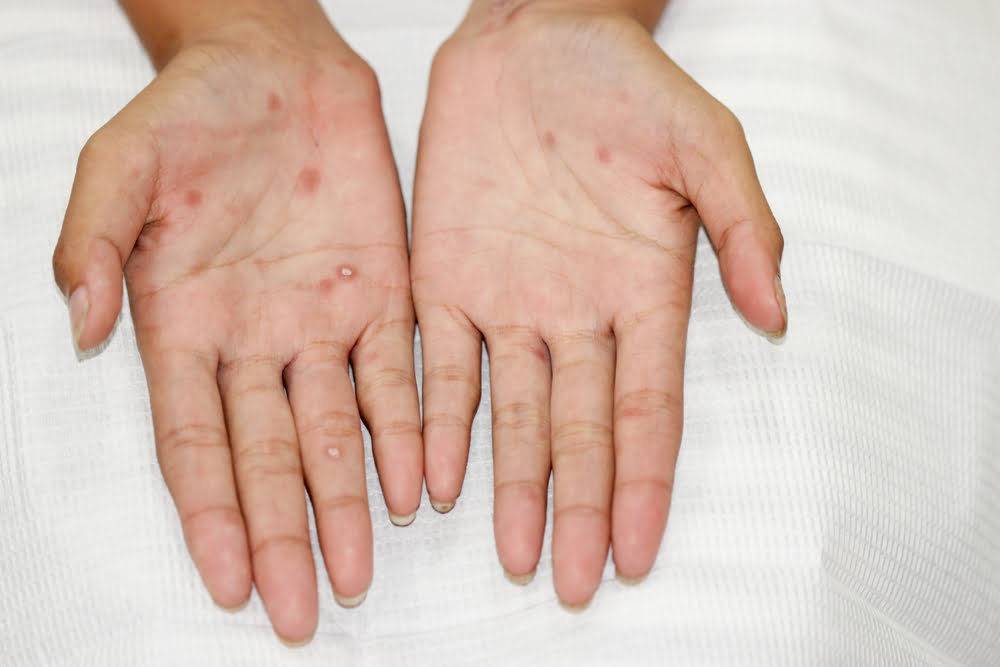
Syphilis is a bacterial infection caused by Treponema pallidum. It is primarily transmitted through sexual contact, including vaginal, anal, and oral sex. The infection progresses through various stages, with symptoms varying at each stage. Understanding syphilis and its modes of transmission is the first step in tackling this public health issue.
The Ongoing Challenge
The Resurgence of Syphilis
In recent years, syphilis has been making a troubling comeback. Its resurgence has led to increased concern among healthcare professionals and public health officials. This resurgence has been particularly notable among certain populations, making it vital to address the issue proactively.
The Importance of Screening
Early Detection and Intervention
Syphilis is often asymptomatic in its early stages, making it difficult for individuals to realize they are infected. Here is where syphilis TP-Ab screening comes into play. By detecting the presence of treponemal antibodies in the blood, this screening method can identify infections early, enabling timely intervention.
Preventing Transmission
One of the key benefits of syphilis TP-Ab screening is that it can effectively prevent further transmission of the infection. When an infected individual is diagnosed early, they can receive appropriate treatment, reducing the risk of spreading the disease to their sexual partners.
Who Should Get Screened?
High-Risk Populations
Syphilis TP-Ab screening is particularly essential for individuals in high-risk populations. This includes those with multiple sexual partners, men who have sex with men, and individuals with a history of other STIs. Identifying and screening these individuals can significantly contribute to breaking the chain of syphilis transmission.
The Role of Healthcare Professionals
The Responsibility of Healthcare Professionals
Healthcare providers play a pivotal role in promoting syphilis TP-Ab screening. They should routinely offer screening to at-risk patients during check-ups and make it a part of regular STI testing. Raising awareness among healthcare professionals is crucial for early detection and intervention.
The Effectiveness of TP-Ab Screening
High Accuracy
Syphilis TP-Ab screening boasts a high degree of accuracy. This makes it a reliable tool for detecting syphilis infections, even in their early stages, ensuring that appropriate treatment is administered promptly.
Reducing Syphilis Rates
Studies have shown that widespread syphilis TP-Ab screening can lead to a significant reduction in syphilis rates within communities. By identifying and treating infections early, the spread of the disease can be effectively curtailed.
Challenges and Solutions
Overcoming Stigma
One of the challenges in promoting syphilis TP-Ab screening is overcoming the stigma associated with STIs. Education and awareness campaigns can help reduce the stigma, encouraging more individuals to get screened.
Accessibility
Making screening services more accessible to at-risk populations is crucial. This can be achieved through community outreach programs, affordable testing options, and greater availability of screening centers.
Conclusion
In conclusion, syphilis remains a public health concern, and syphilis TP-Ab screening is a crucial tool in breaking the chain of transmission. Early detection through this screening method not only allows for timely treatment but also prevents further spread of the infection. Healthcare providers, communities, and individuals must work together to promote screening, reduce stigma, and increase accessibility. By doing so, we can take significant steps towards halting the resurgence of syphilis.